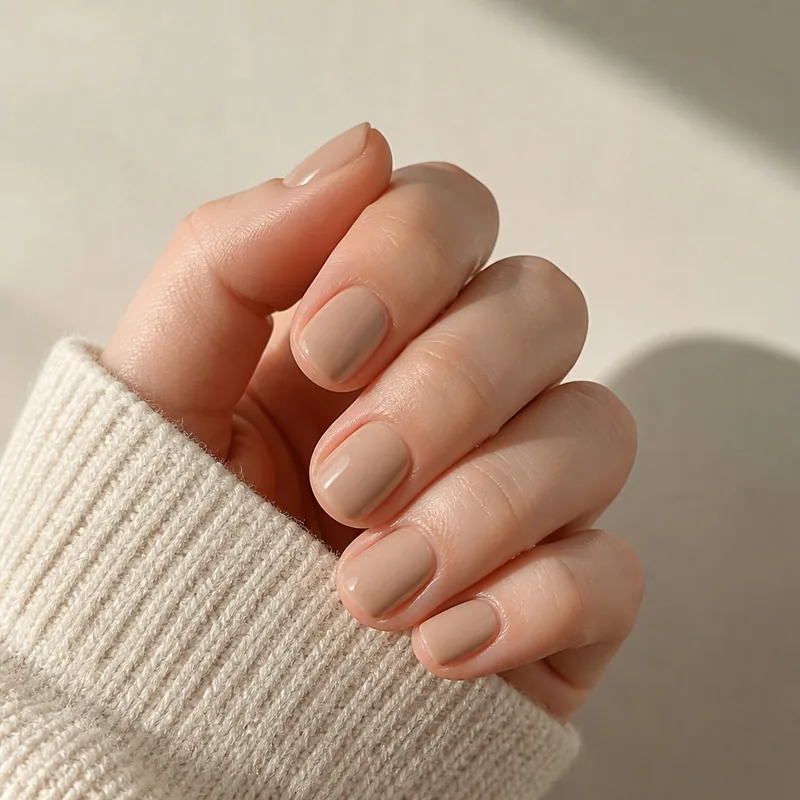
Build the kit around documented materials, repeatable work, accurate sizing, and complete customer instructions. Check the business requirements before offering finished sets.
Choose the kind of orders you will fulfill
Define a small initial offer: finished sets in stated size assortments, an existing design made to a customer’s sizes, or commissioned artwork. Each needs a different order process. For a custom set, allow for sizing, agreement on the design, production, and delivery; a ready-made set needs accurate contents and size information before the customer orders.
Write down what your price covers and what requires a separate quote, including extra decoration, sizing samples, replacement nails, or changes. Keep production time separate from carrier transit time. Start with a process you can explain and repeat before expanding shapes and design options.
Separate three jobs before choosing supplies
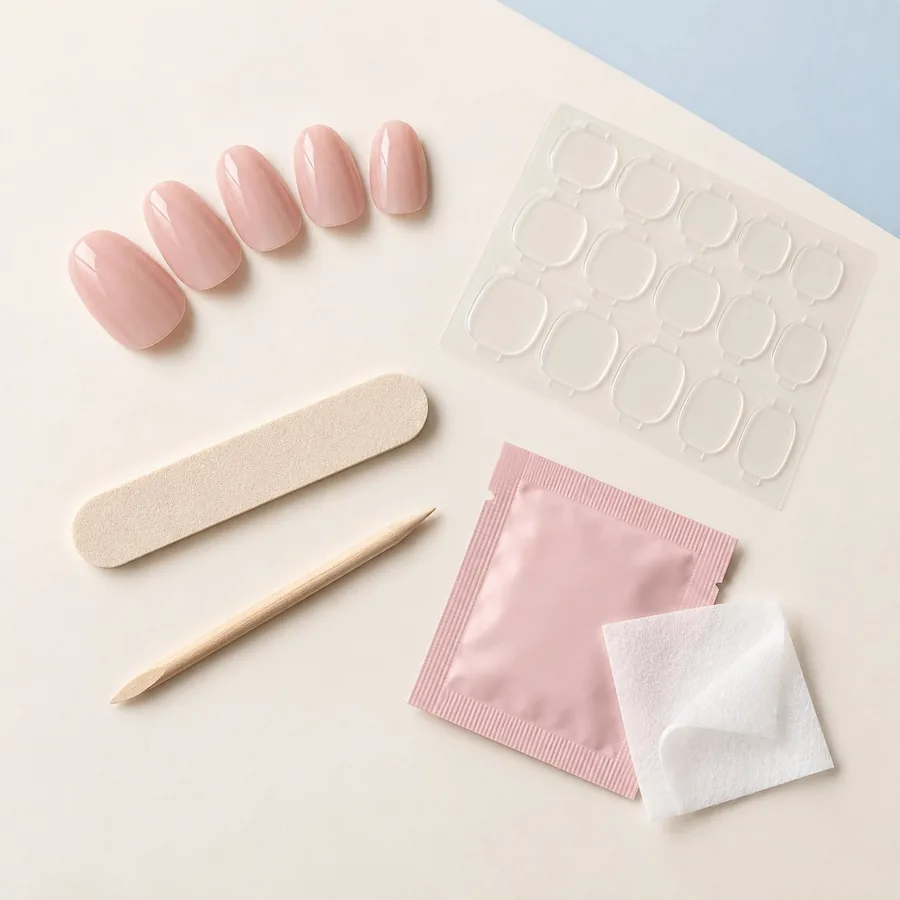
Plan the maker's workspace, the finished set's packaging, and the customer's application pack separately. A bulk bundle of glue, files, and instruction cards may cover the third job without providing blank tips or decoration equipment. If you want finished nails to wear yourself, use the consumer kit checklist instead.
Press-on nail business supplies list: plan by job
Start with a defined shape and decoration process you can document. More colors and tools increase the supplies you must track; they do not establish that the finished product is ready for sale.
Use the downloadable blank checklist to record the exact item, starting quantity, reorder point, and cost for your setup. It is a planning worksheet, not a preapproved product list. Fill in only the tools and materials required by your documented process.
| Supply group | What to document or check |
|---|---|
| Blank full-cover tips | Exact range, shape, length, available sizes, and replacement quantities |
| Sizing samples and records | Samples matching the production range; a separate size entry for every finger |
| Tip holders and hand tools | Stable holders, suitable mounting material, files, brushes, and cleaning directions |
| Decoration system | Compatible coatings and, when required, specified lamp and curing instructions |
| Customer application pack | Compatible adhesive, stated preparation items, warnings, and removal directions |
| Packaging and labels | Protected nails, correct contents, readable information, and an order identifier |
| Order and stock records | Customer-approved specifications, supplies on hand, replacements, and current instructions |
Keep the sizing system tied to the actual tips
Use samples from the same tip range you will decorate. Record left and right hands separately, plus shape, length, range, and date. Do not transfer a number from another brand or assume that matching widths guarantee matching curvature. Confirm fit without forcing a sample flat.
For every order, keep a quality-control record: requested sizes, materials and available lot identifiers, process followed, completion date, and pack contents. Inspect for cracks, rough edges, loose decoration, and size mix-ups. A final photograph helps verify the order; a visual check cannot establish that gel is fully cured.
Separate making the design from attaching the nail
Gelous documents decorating tips on holders before wear. If your decoration uses gel, follow that system's instructions for the coating, lamp, placement, and curing sequence. OPI's professional GelColor procedure, for example, specifies thin coats and its named lamp. Those instructions are system-specific, not a universal recipe for every stand or coating.
Curing decoration off the hand does not mean the customer needs to cure the finished cover onto their nail. Conventional glue or tabs need their own application and removal directions. Include instructions for the actual supplied products; do not substitute a generic card that contradicts their labels.
Budget for the workspace and the whole order
Use product safety data sheets to plan storage, exposure controls, and protective equipment. OSHA's nail-salon guidance emphasizes ventilation, reducing dust and chemical exposure, closing containers, and accessible hazard information. Assess the actual work performed, including employee training and applicable workplace requirements.
Separate initial equipment costs from recurring order costs. Record tips used and rejected, coatings, consumables, sizing samples, packaging, customer supplies, labor, fees, and shipping. Add overhead consistently. Comparing that complete cost with a proposed price is planning, not a profit forecast or a promise of sales.
Keep one record from inquiry to delivery
- Record the product type, chosen shape and length, and the customer’s requested date.
- Confirm sizing, design scope, approval steps, and the complete quote before production.
- Allocate materials to the order and record the applicable product instructions and lot identifiers where available.
- Check the completed set against the approved sizes and design, then record the package contents.
- Pack the set with the appropriate labels and care instructions, confirm the address, and retain dispatch information.
- Keep a clear route for order questions, missing items, and replacement requests under your published terms.
Check requirements for your activity and location
SBA explains that licenses and permits depend on business activity and location. Ask the relevant state and local authorities about your exact operation: selling decorated sets, repackaging products, and providing manicures may raise different questions. Include home-business zoning and any applicable professional licensing in that review.
FDA places responsibility for cosmetic safety and labeling on businesses marketing those products. Review the requirements for your exact products and role, including appropriate labels, warnings, safety substantiation, and any applicable registration or listing obligations. These official resources are starting points; a maker checklist cannot determine your legal obligations.
A few common questions
Is a professional press-on nail kit automatically suitable for a business?
No. Verify its actual contents, intended use, instructions, and compatibility with your process. A professional label does not establish certification or cover your business obligations.
Is a press-on nail business supplies list the same as a complete business plan?
No. A supplies list tracks materials and equipment. You also need a defined offer, an order and sizing process, complete costs, customer terms, and the requirements applicable to your activity and location.
Should I buy every tool before deciding what to sell?
Define the products and process first. Build the supply list around the exact tip, decoration, attachment, and packaging systems rather than a generic bundle of unrelated tools.
Sources & reading notes
This guide explains general considerations. Product labels and instructions vary, so check the specific kit and adhesive you use.